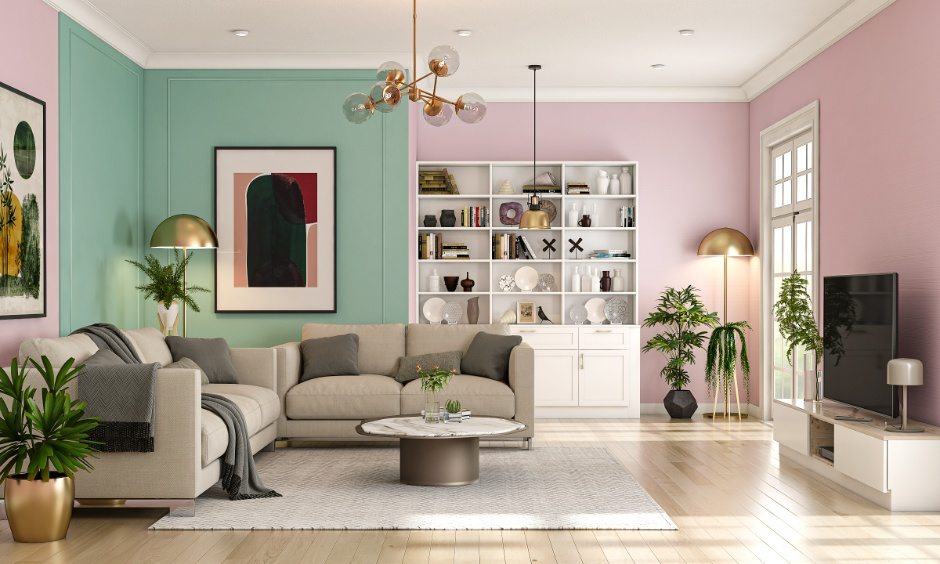
Home furnishing trends are constantly evolving, influenced by lifestyle changes, technological advancements, and global design movements. In 2026, homeowners are focusing on comfort, sustainability, and multifunctionality, creating spaces that are both visually appealing and highly practical. Whether you are redecorating a single room or designing an entire home, understanding the latest home furnishing trends can help you make informed decisions that enhance both style and functionality.
This comprehensive guide explores the most influential home furnishing trends shaping modern interiors, highlighting key materials, colors, furniture styles, and innovations that are redefining homes worldwide.
1. Sustainable and Eco-Friendly Furnishings
Sustainability continues to dominate the home furnishing industry. Consumers are increasingly choosing eco-conscious materials and brands that prioritize environmental responsibility. Companies like IKEA and West Elm have introduced sustainable collections featuring recycled materials, responsibly sourced wood, and low-impact manufacturing processes.
Key Elements:
- Reclaimed wood furniture
- Organic fabrics like cotton and linen
- Bamboo and rattan accents
- Non-toxic finishes and paints
Sustainable furnishing is not just a trend but a long-term shift toward responsible living. It also adds a natural, earthy aesthetic that complements modern interior styles.
2. Multifunctional Furniture for Smart Living
As urban living spaces become smaller, multifunctional furniture has become essential. Brands such as Ashley Furniture and Wayfair offer innovative designs that maximize space without compromising comfort.
Popular Multifunctional Pieces:
- Sofa beds and modular sofas
- Storage ottomans
- Expandable dining tables
- Wall-mounted desks
These pieces are especially useful for apartments and compact homes, allowing homeowners to create flexible living environments.
3. Minimalism with a Warm Touch
Minimalism is evolving. Instead of stark, cold interiors, the 2026 trend focuses on “warm minimalism.” Inspired by design philosophies like Scandinavian design and Japandi style, this approach blends simplicity with comfort.
Characteristics:
- Neutral color palettes (beige, cream, soft gray)
- Natural textures like wood and wool
- Clean lines with cozy accents
This trend emphasizes decluttering while maintaining a welcoming and lived-in feel.
4. Bold Colors and Statement Pieces
While minimalism remains popular, bold colors are making a strong comeback. Accent furniture in vibrant hues is becoming a focal point in modern homes.
Trending Colors:
- Deep green
- Navy blue
- Terracotta
- Mustard yellow
Brands like CB2 are embracing bold designs that allow homeowners to express personality through statement sofas, chairs, and decor.
5. Smart Furniture and Technology Integration
Technology is transforming home furnishings. Smart furniture integrates features like wireless charging, built-in speakers, and adjustable settings.
Examples:
- Smart beds with sleep tracking
- Coffee tables with charging ports
- Voice-controlled lighting systems
Tech companies like Samsung and LG are collaborating with furniture designers to create seamless smart home experiences.
6. Vintage and Retro Revival
Vintage furniture is making a strong comeback, driven by nostalgia and sustainability. Mid-century modern designs, inspired by designers like Charles Eames, are particularly popular.
Key Features:
- Curved silhouettes
- Wooden finishes
- Brass and gold accents
Mixing vintage pieces with modern decor creates a unique and personalized interior style.
7. Natural Materials and Organic Shapes
Nature-inspired interiors are gaining popularity, emphasizing organic shapes and raw materials.
Materials in Demand:
- Stone and marble
- Clay and ceramics
- Linen and jute
Retailers like Pottery Barn offer collections that highlight organic textures and earthy tones, bringing a calming, natural vibe to interiors.
8. Personalized and Custom Furniture
Customization is becoming a key trend as homeowners seek unique pieces that reflect their personality. Platforms like Etsy allow users to connect with artisans who create bespoke furniture and decor items.
Benefits:
- Unique designs
- Tailored dimensions
- Personalized finishes
Custom furniture ensures that your home stands out while perfectly meeting your needs.
9. Open-Concept Living Spaces
Open-plan layouts continue to influence furnishing trends. Furniture is now designed to define spaces within larger areas.
Design Strategies:
- Use rugs to separate zones
- Place sofas as room dividers
- Incorporate modular shelving units
This approach is widely seen in modern homes across cities like New York City and London, where space optimization is essential.
10. Luxury Comfort and Plush Interiors
Comfort is a top priority in 2026. Plush furnishings with soft textures are becoming a staple in modern homes.
Popular Choices:
- Velvet sofas
- Oversized cushions
- Thick rugs
Luxury brands like Restoration Hardware are focusing on comfort-driven designs that combine elegance with relaxation.
11. Biophilic Design and Indoor Greenery
Biophilic design connects indoor spaces with nature. This trend incorporates plants, natural light, and organic elements into home furnishings.
Key Elements:
- Indoor plants like fiddle leaf figs
- Vertical gardens
- Natural light optimization
Studies show that biophilic design improves well-being and productivity, making it a popular choice for modern homes.
12. Global Influences and Cultural Fusion
Home furnishing trends are becoming more global, blending styles from different cultures.
Examples:
- Moroccan rugs
- Japanese minimalism
- Mediterranean textures
Retailers like Anthropologie offer globally inspired collections that add character and diversity to interiors.
13. Artisanal and Handcrafted Pieces
Handcrafted furniture is gaining popularity as people seek authenticity and craftsmanship.
Features:
- Hand-carved wood
- Handwoven textiles
- Unique imperfections
This trend supports local artisans while adding a personal touch to home decor.
14. Neutral Foundations with Layered Textures
Neutral tones remain a foundation in home furnishing, but they are now enhanced with layered textures to add depth.
Styling Tips:
- Combine different fabrics (linen, wool, leather)
- Use textured wallpapers
- Add decorative throws and cushions
This approach creates a sophisticated and visually interesting space without overwhelming the senses.
15. Home Office Furnishing Trends
With remote work becoming more common, home office furnishings are evolving rapidly.
Essentials:
- Ergonomic chairs
- Adjustable desks
- Smart storage solutions
Brands like Herman Miller are leading the way in ergonomic and stylish office furniture that enhances productivity and comfort.
Conclusion
Home furnishing trends in 2026 are all about balancing aesthetics, functionality, and sustainability. From eco-friendly materials and multifunctional furniture to bold colors and smart technology, modern homes are becoming more adaptable and personalized than ever before.
By incorporating elements from trusted brands like IKEA, Wayfair, and Restoration Hardware, homeowners can create spaces that reflect their lifestyle while staying aligned with global trends.
Whether you prefer minimalist designs, vintage charm, or high-tech solutions, the key is to create a home that feels comfortable, functional, and uniquely yours. Keeping up with these home furnishing trends will ensure your living space remains stylish and future-ready.
Leave a Reply