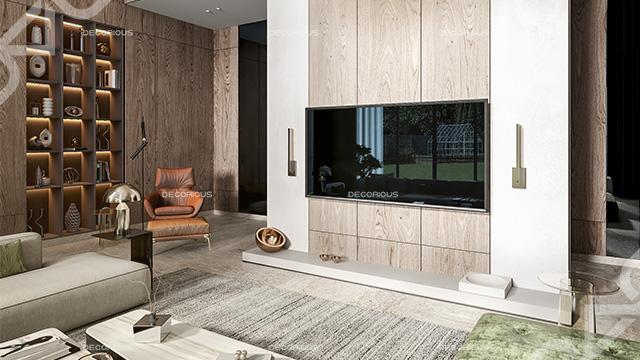
Interior furniture planning is a crucial step in designing a functional, aesthetically pleasing, and comfortable living space. Whether you are furnishing a new home or redesigning an existing one, a well-thought-out plan ensures that every piece of furniture serves a purpose while contributing to the overall style of your interior. In this comprehensive guide, we will explore the principles, strategies, and trends of interior furniture planning, helping you create a space that reflects both practicality and personal taste.
What is Interior Furniture Planning?
Interior furniture planning involves selecting, arranging, and organizing furniture within a space to maximize usability, comfort, and visual harmony. It blends elements of design, ergonomics, and spatial awareness. Influential design movements like Bauhaus and Mid-Century Modern emphasize simplicity and functionality, which are still foundational principles in modern furniture planning.
Importance of Interior Furniture Planning
Effective furniture planning is not just about aesthetics—it impacts daily living. Here’s why it matters:
- Optimized Space Usage: Proper planning ensures that every inch of your space is utilized efficiently.
- Improved Functionality: Furniture is arranged based on how the space is used.
- Enhanced Comfort: Adequate spacing and ergonomic placement improve livability.
- Visual Appeal: Balanced layouts create a cohesive and inviting look.
Leading furniture brands like IKEA and Ashley Furniture Industries often emphasize smart planning in their product designs and showroom layouts.
Key Principles of Interior Furniture Planning
1. Understand Your Space
Before selecting furniture, analyze your space:
- Measure dimensions (length, width, height)
- Identify focal points such as windows or fireplaces
- Consider traffic flow
For example, in urban apartments in Karachi or Lahore, space constraints require careful planning to avoid overcrowding.
2. Define the Purpose of Each Room
Each room should have a clear function:
- Living Room: Socializing and relaxation
- Bedroom: Rest and privacy
- Dining Area: Meals and gatherings
- Home Office: Productivity and focus
Furniture choices should align with these functions. For instance, ergonomic chairs inspired by Herman Miller are ideal for home offices.
3. Focus on Layout and Flow
A good layout ensures smooth movement. Avoid blocking pathways and maintain at least 2–3 feet of walking space. Popular layout techniques include:
- Symmetrical layouts for formal settings
- Asymmetrical layouts for modern, casual interiors
4. Choose the Right Furniture Size
Oversized furniture can overwhelm a room, while small pieces may look out of place. Scale and proportion are critical. Brands like Wayfair offer a wide range of sizes to suit different spaces.
5. Balance Aesthetics and Functionality
While aesthetics are important, functionality should never be compromised. A visually appealing sofa that lacks comfort will not serve its purpose.
Step-by-Step Interior Furniture Planning Guide
Step 1: Create a Floor Plan
Use digital tools like SketchUp or AutoCAD to map out your space. This helps visualize furniture placement before making purchases.
Step 2: Identify Focal Points
Every room needs a focal point:
- Living Room: TV unit or fireplace
- Bedroom: Bed
- Dining Room: Dining table
Arrange furniture around these focal points to create a cohesive design.
Step 3: Select Core Furniture Pieces
Start with essential items:
- Sofa or sectional
- Bed and mattress
- Dining table and chairs
Companies like La-Z-Boy specialize in comfortable seating solutions ideal for living rooms.
Step 4: Add Complementary Furniture
Once core pieces are in place, add:
- Coffee tables
- Side tables
- Storage units
- Accent chairs
These elements enhance both functionality and design.
Step 5: Consider Storage Solutions
Efficient storage is vital for maintaining a clutter-free space. Modular storage systems from IKEA are popular for their versatility.
Popular Interior Furniture Planning Styles
Modern Minimalist
Inspired by Minimalism, this style focuses on simplicity, clean lines, and neutral colors.
Scandinavian Design
Originating from countries like Sweden and Denmark, Scandinavian design emphasizes functionality, natural materials, and light tones.
Industrial Style
This style incorporates raw materials like metal and wood, often seen in loft apartments in cities like New York City.
Traditional Design
Classic furniture pieces with intricate detailing, often inspired by European styles.
Furniture Planning for Different Rooms
Living Room
The living room is the heart of the home. Key tips:
- Place the sofa facing the focal point
- Use rugs to define seating areas
- Maintain balance with side tables and lighting
Bedroom
Comfort and relaxation are priorities:
- Position the bed against a solid wall
- Use bedside tables for convenience
- Ensure adequate lighting
Luxury brands like Restoration Hardware offer elegant bedroom furniture options.
Dining Room
Focus on functionality:
- Choose a table size based on room dimensions
- Allow enough space for chairs to move
- Add a statement light fixture above the table
Home Office
With remote work on the rise, a well-planned home office is essential:
- Invest in ergonomic furniture
- Ensure proper lighting
- Minimize distractions
Common Mistakes in Interior Furniture Planning
Avoid these pitfalls:
- Overcrowding the space
- Ignoring scale and proportion
- Poor lighting placement
- Lack of storage solutions
- Neglecting personal style
Latest Trends in Interior Furniture Planning
Multifunctional Furniture
Space-saving furniture like sofa beds and extendable tables are increasingly popular, especially in compact homes.
Sustainable Materials
Eco-friendly materials such as bamboo and reclaimed wood are gaining traction.
Smart Furniture
Technology-integrated furniture, such as smart desks and adjustable beds, is becoming more common.
Open-Concept Living
Open layouts require careful zoning using furniture placement.
Tips for Effective Interior Furniture Planning
- Start with a clear vision
- Prioritize quality over quantity
- Mix textures and materials
- Use lighting strategically
- Keep future needs in mind
Conclusion
Interior furniture planning is both an art and a science. By understanding your space, defining your needs, and choosing the right furniture, you can create a home that is both functional and visually appealing. Whether you draw inspiration from Bauhaus principles or modern brands like IKEA, the key is to strike a balance between style and practicality.
With thoughtful planning, your interior can transform into a harmonious space that enhances your lifestyle and reflects your personality.
Leave a Reply