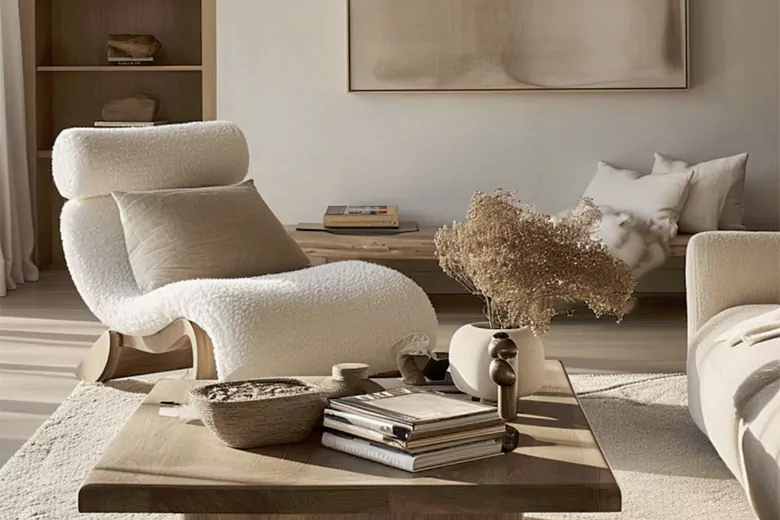
Wooden furniture styles have remained a cornerstone of interior design for centuries, offering durability, versatility, and timeless appeal. From classic handcrafted pieces to modern minimalist designs, wooden furniture continues to evolve while maintaining its natural charm. Whether you are furnishing a new home or upgrading your existing décor, understanding different wooden furniture styles can help you make informed choices that reflect both functionality and aesthetics.
In this comprehensive guide, we explore the most popular wooden furniture styles, materials, finishes, and trends shaping the industry today.
Why Wooden Furniture Remains Popular
Wood has always been a preferred material due to its strength, longevity, and natural beauty. Unlike synthetic materials, wood ages gracefully, often increasing in value over time. Brands like IKEA and Ashley Furniture have successfully blended traditional craftsmanship with modern manufacturing techniques to meet evolving consumer demands.
Some key advantages of wooden furniture include:
- Durability and long lifespan
- Eco-friendly and sustainable options
- Wide variety of finishes and textures
- Timeless appeal across design trends
Types of Wood Used in Furniture
Understanding the type of wood is essential when choosing furniture. Different woods offer varying levels of durability, grain patterns, and aesthetics.
1. Hardwood
Hardwoods are derived from deciduous trees and are known for their strength and durability. Popular options include:
- Oak
- Walnut
- Maple
- Mahogany
Mahogany, for example, is often associated with luxury furniture and is widely used in traditional styles.
2. Softwood
Softwoods come from coniferous trees and are generally more affordable. Common types include:
- Pine
- Cedar
- Fir
Softwood furniture is often used in rustic and farmhouse designs due to its lighter appearance and natural texture.
Popular Wooden Furniture Styles
1. Traditional Style
Traditional wooden furniture is inspired by classic European designs, often featuring intricate carvings and rich finishes. This style is commonly associated with historical periods such as the Victorian era.
Key features include:
- Ornate detailing
- Dark wood finishes
- Curved lines and elegant shapes
Traditional furniture is ideal for formal living rooms and dining spaces.
2. Modern Style
Modern wooden furniture focuses on simplicity, clean lines, and functionality. Influenced by movements like Bauhaus, modern styles prioritize minimalism and practicality.
Characteristics include:
- Sleek and simple designs
- Neutral color palettes
- Use of engineered wood alongside solid wood
Companies like Herman Miller have been pioneers in modern furniture design.
3. Rustic Style
Rustic wooden furniture emphasizes natural beauty and raw textures. It often uses reclaimed wood and highlights imperfections such as knots and grain variations.
Key elements:
- Distressed finishes
- Natural wood tones
- Handmade appearance
Rustic furniture is perfect for creating cozy, cabin-like interiors.
4. Farmhouse Style
Farmhouse furniture blends rustic charm with functional design. Popularized by modern home design trends, this style is both practical and aesthetically pleasing.
Features include:
- Neutral colors
- Sturdy construction
- Vintage-inspired details
The influence of personalities like Joanna Gaines has made farmhouse style widely popular in contemporary homes.
5. Mid-Century Modern Style
Mid-century modern furniture gained popularity in the mid-20th century and remains highly sought after today.
Key characteristics:
- Clean lines
- Tapered legs
- Organic shapes
Designers such as Charles and Ray Eames played a significant role in shaping this style.
6. Scandinavian Style
Originating from countries like Denmark and Sweden, Scandinavian furniture emphasizes simplicity, functionality, and light colors.
Features:
- Minimalistic design
- Light wood tones
- Emphasis on natural light
This style is ideal for small spaces and modern apartments.
7. Industrial Style
Industrial wooden furniture combines wood with metal elements to create a raw, urban look.
Key elements:
- Exposed metal frames
- Reclaimed wood
- Neutral and dark tones
Inspired by old factories and warehouses, this style is popular in loft-style homes.
Wooden Furniture Finishes
The finish of wooden furniture plays a crucial role in its appearance and durability. Some common finishes include:
- Natural Finish: Enhances the wood’s original grain
- Stained Finish: Adds color while preserving texture
- Painted Finish: Offers a modern and customizable look
- Distressed Finish: Creates an aged, vintage appearance
Brands like West Elm often experiment with unique finishes to match modern design trends.
Choosing the Right Wooden Furniture Style
When selecting wooden furniture, consider the following factors:
1. Space and Layout
Large, ornate pieces may overwhelm small rooms, while minimalist designs work well in compact spaces.
2. Functionality
Choose furniture that meets your daily needs, such as storage beds or extendable dining tables.
3. Budget
Hardwood furniture tends to be more expensive but offers better durability.
4. Personal Style
Your furniture should reflect your personality and complement your home’s overall theme.
Sustainable Wooden Furniture
Sustainability has become a major focus in the furniture industry. Many companies now use responsibly sourced wood certified by organizations like Forest Stewardship Council.
Eco-friendly practices include:
- Using reclaimed wood
- Reducing chemical finishes
- Promoting long-lasting designs
Choosing sustainable furniture not only benefits the environment but also ensures higher quality products.
Wooden Furniture Trends in 2026
As we move into 2026, several trends are shaping the future of wooden furniture:
1. Multifunctional Designs
Furniture that serves multiple purposes, such as storage benches and foldable tables, is gaining popularity.
2. Natural and Organic Aesthetics
Homeowners are increasingly opting for furniture that highlights natural textures and earthy tones.
3. Smart Furniture Integration
Modern wooden furniture is being integrated with technology, including wireless charging and smart storage solutions.
4. Customization
Consumers are seeking personalized furniture that matches their unique preferences.
Maintenance Tips for Wooden Furniture
To ensure longevity, proper care is essential:
- Dust regularly with a soft cloth
- Avoid direct sunlight exposure
- Use coasters and mats to prevent stains
- Apply polish or wax periodically
Proper maintenance not only preserves the appearance but also enhances the durability of wooden furniture.
Final Thoughts
Wooden furniture styles offer a perfect blend of tradition and innovation. Whether you prefer the elegance of traditional designs, the simplicity of modern aesthetics, or the warmth of rustic charm, there is a wooden furniture style to suit every taste and space.
By understanding different styles, materials, and trends, you can make informed decisions that enhance your home’s beauty and functionality. Investing in high-quality wooden furniture is not just a design choice—it is a long-term commitment to comfort, sustainability, and timeless appeal.
As the furniture industry continues to evolve, wooden furniture remains a symbol of craftsmanship and enduring style, making it an essential element of modern living.
Leave a Reply