





Blog

  • Contemporary Home Chairs: A Complete Guide to Style, Comfort, and Functionality

    Contemporary Home Chairs: A Complete Guide to Style, Comfort, and Functionality

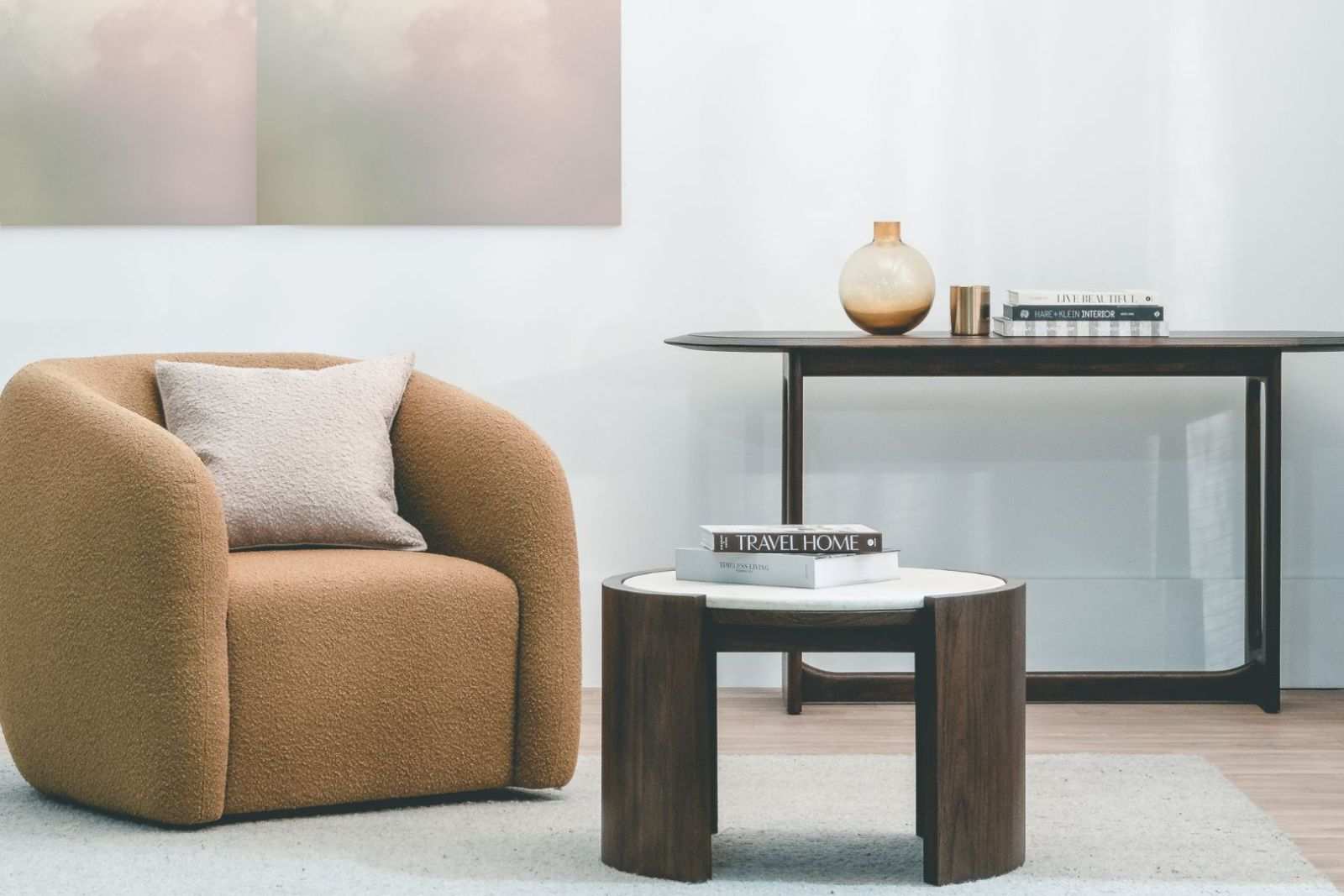
    Contemporary home chairs have become a defining element in modern interior design, blending aesthetics with functionality. Whether you are designing a minimalist apartment or upgrading a luxurious living space, the right chair can transform the overall ambiance of your home. In today’s design landscape, influenced by global brands like IKEA and Herman Miller, contemporary chairs are not just seating options—they are statement pieces.

    This comprehensive guide explores contemporary home chairs, their styles, materials, and how to choose the perfect one for your space while keeping SEO-focused insights and relevant entities in mind.


    What Defines Contemporary Home Chairs?

    Contemporary home chairs reflect current design trends, often characterized by clean lines, neutral palettes, and innovative materials. Unlike traditional furniture, contemporary designs evolve with time, often drawing inspiration from movements like Modernism and Minimalism.

    Key features include:

    • Sleek and simple silhouettes
    • Functional design with comfort in mind
    • Use of mixed materials such as metal, wood, and fabric
    • Neutral or bold color contrasts

    Designers like Charles Eames and Arne Jacobsen have heavily influenced contemporary chair aesthetics, making their designs timeless yet modern.


    Popular Types of Contemporary Home Chairs

    1. Lounge Chairs

    Lounge chairs are perfect for relaxation and often serve as focal points in living rooms. Designs like the Eames Lounge Chair combine leather upholstery with molded wood for a luxurious look.

    These chairs are ideal for:

    • Reading corners
    • Living rooms
    • Home offices

    2. Accent Chairs

    Accent chairs add personality to a space. Brands such as West Elm offer a wide range of contemporary accent chairs with bold colors and unique shapes.

    They are commonly used in:

    • Living rooms
    • Bedrooms
    • Entryways

    3. Dining Chairs

    Contemporary dining chairs focus on comfort without compromising style. Popular designs include the Wishbone Chair by Hans Wegner.

    Features often include:

    • Ergonomic seating
    • Lightweight frames
    • Minimalistic design

    4. Office Chairs

    Modern home offices demand ergonomic seating. Companies like Steelcase provide contemporary chairs that support posture and productivity.

    Look for:

    • Adjustable height and lumbar support
    • Breathable materials
    • Sleek, professional aesthetics

    5. Armchairs

    Armchairs offer both comfort and style. Designs inspired by Le Corbusier emphasize geometric shapes and premium materials.

    Perfect for:

    • Living rooms
    • Reading nooks
    • Bedrooms

    Materials Used in Contemporary Chairs

    Wood

    Wood remains a staple in contemporary furniture. Options like oak, walnut, and teak are popular for their durability and aesthetic appeal. Scandinavian brands such as Muuto emphasize natural wood finishes.


    Metal

    Metal frames provide a sleek, industrial look. Stainless steel and aluminum are commonly used, especially in urban interiors influenced by New York City loft-style living.


    Upholstery

    Fabric and leather upholstery add comfort and luxury. High-end brands like Roche Bobois use premium textiles to create sophisticated designs.


    Plastic and Acrylic

    Modern innovations have introduced durable plastics and acrylics. These materials allow for creative shapes and vibrant colors, often seen in designs inspired by Philippe Starck.


    How to Choose the Right Contemporary Chair

    Consider Your Space

    Before selecting a chair, evaluate your room size and layout. Compact apartments in cities like Karachi or Lahore benefit from space-saving designs.


    Focus on Comfort

    Ergonomics should never be overlooked. Chairs from brands like Knoll prioritize comfort without sacrificing style.


    Match Your Interior Theme

    Ensure the chair complements your existing decor. For example:

    • Minimalist interiors: neutral tones and simple shapes
    • Industrial interiors: metal frames and dark finishes
    • Scandinavian interiors: light wood and soft fabrics

    Pay Attention to Quality

    Investing in high-quality furniture ensures durability. Look for trusted manufacturers such as Ashley Furniture.


    Trends in Contemporary Home Chairs (2026)

    Sustainable Materials

    Eco-friendly furniture is gaining popularity. Brands are increasingly using recycled materials and sustainable wood sources, aligning with global sustainability efforts led by organizations like Forest Stewardship Council.


    Bold Colors and Textures

    While neutral tones remain popular, bold colors like emerald green and navy blue are trending. Velvet upholstery is also making a comeback.


    Multifunctional Designs

    Modern living demands versatility. Chairs with built-in storage or convertible features are becoming increasingly common, especially in compact homes.


    Smart Furniture

    Technology integration is another emerging trend. Some contemporary chairs now include features like:

    • USB charging ports
    • Heating and massage functions

    Benefits of Contemporary Home Chairs

    Aesthetic Appeal

    Contemporary chairs elevate the visual appeal of any space, often acting as focal points.


    Space Efficiency

    Many designs are compact and multifunctional, ideal for urban living environments.


    Versatility

    These chairs can be used across various settings, from living rooms to home offices.


    Comfort and Ergonomics

    Modern designs prioritize user comfort, making them suitable for long-term use.


    Styling Tips for Contemporary Chairs

    Pair with Modern Tables

    Combine your chairs with sleek coffee tables or dining tables from brands like CB2.


    Use Rugs and Lighting

    Enhance the look of your chair with:

    • Area rugs
    • Floor lamps
    • Pendant lighting

    Create a Focal Point

    Place a statement chair in a prominent location to draw attention.


    Mix and Match

    Don’t be afraid to mix different styles and materials. Combining wood and metal elements can create a dynamic look.


    Maintenance and Care

    To ensure longevity:

    • Clean upholstery regularly
    • Avoid direct sunlight to prevent fading
    • Use protective pads for wooden and metal legs

    Brands like La-Z-Boy often provide care guidelines for their products, which can be helpful.


    Conclusion

    Contemporary home chairs are more than just functional furniture—they are essential elements of modern interior design. Influenced by iconic designers like Charles Eames and global brands such as Herman Miller, these chairs offer the perfect balance of style, comfort, and innovation.

    Whether you are furnishing a new home or upgrading your current space, investing in contemporary chairs can significantly enhance your living environment. By considering factors like material, comfort, and design trends, you can select pieces that not only meet your needs but also reflect your personal style.

    In a world where design continues to evolve, contemporary home chairs remain at the forefront—combining timeless elegance with modern functionality to create spaces that are both beautiful and practical.

  • Elegant Storage Solutions: Transforming Spaces with Style and Functionality

    Elegant Storage Solutions: Transforming Spaces with Style and Functionality

    In today’s modern homes, storage is no longer just about functionality—it is about aesthetics, efficiency, and creating a harmonious living environment. The concept of elegant storage solutions blends practicality with design, allowing homeowners to maintain clutter-free spaces while enhancing visual appeal. Whether you live in a compact apartment or a spacious house, integrating refined storage ideas can significantly improve your lifestyle.

    This comprehensive guide explores elegant storage solutions, highlighting innovative ideas, timeless designs, and expert insights to help you achieve a sophisticated and organized home.


    Understanding Elegant Storage Solutions

    Elegant storage solutions refer to systems and furniture pieces that combine style, efficiency, and organization. Unlike traditional storage methods, these solutions focus on seamless integration into interior design while maximizing usability.

    Influential organizing philosophies, such as those popularized by Marie Kondo, emphasize simplicity and intentional living. Her approach encourages homeowners to keep only what “sparks joy,” making storage both meaningful and visually pleasing.

    Similarly, brands like IKEA and West Elm have revolutionized modern storage by offering stylish, modular, and space-saving solutions.


    Benefits of Elegant Storage Solutions

    1. Enhanced Visual Appeal

    Elegant storage units contribute to a clean, uncluttered environment. By incorporating sleek cabinets, hidden compartments, and minimalist shelving, you can elevate the overall aesthetic of your home.

    2. Improved Functionality

    Smart storage ensures that every item has a designated place. This reduces time spent searching for belongings and increases efficiency in daily routines.

    3. Space Optimization

    With urban living spaces becoming more compact, efficient storage is essential. Elegant solutions maximize vertical and hidden spaces, making even small homes feel spacious.

    4. Increased Property Value

    Well-designed storage systems can enhance the appeal of your home, making it more attractive to potential buyers.


    Types of Elegant Storage Solutions

    Built-In Storage Units

    Built-in storage is a hallmark of sophistication. These units are seamlessly integrated into walls, creating a cohesive and polished look.

    • Floor-to-ceiling wardrobes
    • Custom kitchen cabinets
    • Wall-integrated bookshelves

    Luxury design firms like California Closets specialize in tailored built-in solutions that maximize both style and efficiency.


    Multifunctional Furniture

    Multifunctional furniture is a cornerstone of elegant storage, especially in smaller homes.

    Examples include:

    • Storage beds with hidden drawers
    • Coffee tables with compartments
    • Ottomans that double as storage boxes

    Retailers such as Wayfair offer a wide range of stylish multifunctional pieces designed for modern living.


    Open Shelving Systems

    Open shelving combines accessibility with visual appeal. When styled thoughtfully, shelves can act as both storage and decorative displays.

    • Use neutral color palettes for a cohesive look
    • Mix functional items with decorative pieces
    • Incorporate materials like wood and metal for texture

    Design inspiration can often be drawn from Scandinavian interiors, popularized by brands like HAY.


    Hidden Storage Solutions

    Hidden storage is perfect for maintaining a minimalist aesthetic.

    Common ideas include:

    • Under-stair storage compartments
    • Hidden drawers in staircases
    • Concealed cabinets behind mirrors

    These solutions ensure that clutter remains out of sight while preserving the elegance of your space.


    Modular Storage Systems

    Modular storage allows flexibility and customization. These systems can be rearranged or expanded based on your needs.

    Popular modular solutions are offered by The Container Store, known for innovative organization products.


    Room-by-Room Elegant Storage Ideas

    Living Room Storage

    The living room is often the focal point of a home, making elegant storage essential.

    • Use media units with concealed compartments
    • Install floating shelves for a modern look
    • Choose storage benches for additional seating

    Incorporating furniture inspired by designers like Philippe Starck can add a touch of sophistication.


    Bedroom Storage

    A serene bedroom requires clutter-free organization.

    • Opt for wardrobes with sliding doors
    • Use under-bed storage boxes
    • Install bedside tables with drawers

    Luxury brands like Restoration Hardware offer refined bedroom storage options.


    Kitchen Storage

    The kitchen demands both efficiency and style.

    • Pull-out pantry systems
    • Drawer dividers for utensils
    • Vertical storage for pots and pans

    Modern kitchens often incorporate smart storage solutions inspired by Häfele.


    Bathroom Storage

    Bathrooms benefit greatly from elegant storage solutions.

    • Wall-mounted cabinets
    • Floating vanities
    • Built-in niches in showers

    These ideas help maintain a clean and luxurious bathroom environment.


    Home Office Storage

    With remote work becoming more common, home office organization is crucial.

    • Minimalist desks with built-in storage
    • Vertical filing systems
    • Cable management solutions

    Companies like Herman Miller provide ergonomic and stylish office storage solutions.


    Materials for Elegant Storage

    Choosing the right materials is key to achieving an elegant look.

    Wood

    Natural wood adds warmth and timeless appeal. Oak, walnut, and teak are popular choices.

    Glass

    Glass shelves and cabinets create a sense of openness and sophistication.

    Metal

    Metal accents provide a modern, industrial touch.

    Sustainable Materials

    Eco-friendly materials are increasingly popular, reflecting a growing awareness of sustainability.


    Design Principles for Elegant Storage

    Minimalism

    Inspired by movements like Minimalism, minimalist storage focuses on simplicity and functionality.

    Symmetry

    Balanced designs create a visually pleasing environment.

    Neutral Color Palettes

    Soft tones such as white, beige, and gray enhance elegance.

    Lighting Integration

    Incorporating lighting within storage units adds both functionality and ambiance.


    Smart Storage Technology

    Technology is transforming storage solutions.

    • Automated wardrobes
    • Sensor-based lighting
    • App-controlled storage systems

    Innovative companies like Samsung are integrating smart technology into home organization systems.


    Tips for Maintaining Elegant Storage

    1. Declutter regularly
    2. Use storage containers and organizers
    3. Label items for easy access
    4. Avoid overfilling storage spaces
    5. Maintain consistency in design

    Following these practices ensures your storage remains both functional and visually appealing.


    Future Trends in Elegant Storage Solutions

    The future of storage lies in innovation and sustainability.

    Customization

    Personalized storage solutions tailored to individual needs will become more common.

    Smart Integration

    Homes will increasingly feature intelligent storage systems.

    Sustainable Design

    Eco-friendly materials and practices will dominate the market.

    Compact Living Solutions

    As urban spaces shrink, compact and multifunctional storage will continue to evolve.


    Conclusion

    Elegant storage solutions are essential for creating a stylish, organized, and functional home. By combining smart design principles, high-quality materials, and innovative ideas, you can transform any space into a clutter-free sanctuary.

    Whether you draw inspiration from global brands like IKEA or adopt organizing philosophies from experts like Marie Kondo, the key lies in balancing aesthetics with practicality.

    Investing in elegant storage is not just about organization—it is about enhancing your quality of life and creating a home that reflects sophistication and harmony.

  • Ultimate Guide to Interior Furniture Planning: Optimize Space, Style, and Functionality

    Ultimate Guide to Interior Furniture Planning: Optimize Space, Style, and Functionality

    Interior furniture planning is a crucial step in designing a functional, aesthetically pleasing, and comfortable living space. Whether you are furnishing a new home or redesigning an existing one, a well-thought-out plan ensures that every piece of furniture serves a purpose while contributing to the overall style of your interior. In this comprehensive guide, we will explore the principles, strategies, and trends of interior furniture planning, helping you create a space that reflects both practicality and personal taste.


    What is Interior Furniture Planning?

    Interior furniture planning involves selecting, arranging, and organizing furniture within a space to maximize usability, comfort, and visual harmony. It blends elements of design, ergonomics, and spatial awareness. Influential design movements like Bauhaus and Mid-Century Modern emphasize simplicity and functionality, which are still foundational principles in modern furniture planning.


    Importance of Interior Furniture Planning

    Effective furniture planning is not just about aesthetics—it impacts daily living. Here’s why it matters:

    • Optimized Space Usage: Proper planning ensures that every inch of your space is utilized efficiently.
    • Improved Functionality: Furniture is arranged based on how the space is used.
    • Enhanced Comfort: Adequate spacing and ergonomic placement improve livability.
    • Visual Appeal: Balanced layouts create a cohesive and inviting look.

    Leading furniture brands like IKEA and Ashley Furniture Industries often emphasize smart planning in their product designs and showroom layouts.


    Key Principles of Interior Furniture Planning

    1. Understand Your Space

    Before selecting furniture, analyze your space:

    • Measure dimensions (length, width, height)
    • Identify focal points such as windows or fireplaces
    • Consider traffic flow

    For example, in urban apartments in Karachi or Lahore, space constraints require careful planning to avoid overcrowding.


    2. Define the Purpose of Each Room

    Each room should have a clear function:

    • Living Room: Socializing and relaxation
    • Bedroom: Rest and privacy
    • Dining Area: Meals and gatherings
    • Home Office: Productivity and focus

    Furniture choices should align with these functions. For instance, ergonomic chairs inspired by Herman Miller are ideal for home offices.


    3. Focus on Layout and Flow

    A good layout ensures smooth movement. Avoid blocking pathways and maintain at least 2–3 feet of walking space. Popular layout techniques include:

    • Symmetrical layouts for formal settings
    • Asymmetrical layouts for modern, casual interiors

    4. Choose the Right Furniture Size

    Oversized furniture can overwhelm a room, while small pieces may look out of place. Scale and proportion are critical. Brands like Wayfair offer a wide range of sizes to suit different spaces.


    5. Balance Aesthetics and Functionality

    While aesthetics are important, functionality should never be compromised. A visually appealing sofa that lacks comfort will not serve its purpose.


    Step-by-Step Interior Furniture Planning Guide

    Step 1: Create a Floor Plan

    Use digital tools like SketchUp or AutoCAD to map out your space. This helps visualize furniture placement before making purchases.


    Step 2: Identify Focal Points

    Every room needs a focal point:

    • Living Room: TV unit or fireplace
    • Bedroom: Bed
    • Dining Room: Dining table

    Arrange furniture around these focal points to create a cohesive design.


    Step 3: Select Core Furniture Pieces

    Start with essential items:

    • Sofa or sectional
    • Bed and mattress
    • Dining table and chairs

    Companies like La-Z-Boy specialize in comfortable seating solutions ideal for living rooms.


    Step 4: Add Complementary Furniture

    Once core pieces are in place, add:

    • Coffee tables
    • Side tables
    • Storage units
    • Accent chairs

    These elements enhance both functionality and design.


    Step 5: Consider Storage Solutions

    Efficient storage is vital for maintaining a clutter-free space. Modular storage systems from IKEA are popular for their versatility.


    Popular Interior Furniture Planning Styles

    Modern Minimalist

    Inspired by Minimalism, this style focuses on simplicity, clean lines, and neutral colors.

    Scandinavian Design

    Originating from countries like Sweden and Denmark, Scandinavian design emphasizes functionality, natural materials, and light tones.

    Industrial Style

    This style incorporates raw materials like metal and wood, often seen in loft apartments in cities like New York City.

    Traditional Design

    Classic furniture pieces with intricate detailing, often inspired by European styles.


    Furniture Planning for Different Rooms

    Living Room

    The living room is the heart of the home. Key tips:

    • Place the sofa facing the focal point
    • Use rugs to define seating areas
    • Maintain balance with side tables and lighting

    Bedroom

    Comfort and relaxation are priorities:

    • Position the bed against a solid wall
    • Use bedside tables for convenience
    • Ensure adequate lighting

    Luxury brands like Restoration Hardware offer elegant bedroom furniture options.


    Dining Room

    Focus on functionality:

    • Choose a table size based on room dimensions
    • Allow enough space for chairs to move
    • Add a statement light fixture above the table

    Home Office

    With remote work on the rise, a well-planned home office is essential:

    • Invest in ergonomic furniture
    • Ensure proper lighting
    • Minimize distractions

    Common Mistakes in Interior Furniture Planning

    Avoid these pitfalls:

    • Overcrowding the space
    • Ignoring scale and proportion
    • Poor lighting placement
    • Lack of storage solutions
    • Neglecting personal style

    Latest Trends in Interior Furniture Planning

    Multifunctional Furniture

    Space-saving furniture like sofa beds and extendable tables are increasingly popular, especially in compact homes.

    Sustainable Materials

    Eco-friendly materials such as bamboo and reclaimed wood are gaining traction.

    Smart Furniture

    Technology-integrated furniture, such as smart desks and adjustable beds, is becoming more common.

    Open-Concept Living

    Open layouts require careful zoning using furniture placement.


    Tips for Effective Interior Furniture Planning

    • Start with a clear vision
    • Prioritize quality over quantity
    • Mix textures and materials
    • Use lighting strategically
    • Keep future needs in mind

    Conclusion

    Interior furniture planning is both an art and a science. By understanding your space, defining your needs, and choosing the right furniture, you can create a home that is both functional and visually appealing. Whether you draw inspiration from Bauhaus principles or modern brands like IKEA, the key is to strike a balance between style and practicality.

    With thoughtful planning, your interior can transform into a harmonious space that enhances your lifestyle and reflects your personality.

  • Home Furnishing Trends: A Complete Guide to Modern Living Spaces in 2026

    Home Furnishing Trends: A Complete Guide to Modern Living Spaces in 2026

    Home furnishing trends are constantly evolving, influenced by lifestyle changes, technological advancements, and global design movements. In 2026, homeowners are focusing on comfort, sustainability, and multifunctionality, creating spaces that are both visually appealing and highly practical. Whether you are redecorating a single room or designing an entire home, understanding the latest home furnishing trends can help you make informed decisions that enhance both style and functionality.

    This comprehensive guide explores the most influential home furnishing trends shaping modern interiors, highlighting key materials, colors, furniture styles, and innovations that are redefining homes worldwide.


    1. Sustainable and Eco-Friendly Furnishings

    Sustainability continues to dominate the home furnishing industry. Consumers are increasingly choosing eco-conscious materials and brands that prioritize environmental responsibility. Companies like IKEA and West Elm have introduced sustainable collections featuring recycled materials, responsibly sourced wood, and low-impact manufacturing processes.

    Key Elements:

    • Reclaimed wood furniture
    • Organic fabrics like cotton and linen
    • Bamboo and rattan accents
    • Non-toxic finishes and paints

    Sustainable furnishing is not just a trend but a long-term shift toward responsible living. It also adds a natural, earthy aesthetic that complements modern interior styles.


    2. Multifunctional Furniture for Smart Living

    As urban living spaces become smaller, multifunctional furniture has become essential. Brands such as Ashley Furniture and Wayfair offer innovative designs that maximize space without compromising comfort.

    Popular Multifunctional Pieces:

    • Sofa beds and modular sofas
    • Storage ottomans
    • Expandable dining tables
    • Wall-mounted desks

    These pieces are especially useful for apartments and compact homes, allowing homeowners to create flexible living environments.


    3. Minimalism with a Warm Touch

    Minimalism is evolving. Instead of stark, cold interiors, the 2026 trend focuses on “warm minimalism.” Inspired by design philosophies like Scandinavian design and Japandi style, this approach blends simplicity with comfort.

    Characteristics:

    • Neutral color palettes (beige, cream, soft gray)
    • Natural textures like wood and wool
    • Clean lines with cozy accents

    This trend emphasizes decluttering while maintaining a welcoming and lived-in feel.


    4. Bold Colors and Statement Pieces

    While minimalism remains popular, bold colors are making a strong comeback. Accent furniture in vibrant hues is becoming a focal point in modern homes.

    Trending Colors:

    • Deep green
    • Navy blue
    • Terracotta
    • Mustard yellow

    Brands like CB2 are embracing bold designs that allow homeowners to express personality through statement sofas, chairs, and decor.


    5. Smart Furniture and Technology Integration

    Technology is transforming home furnishings. Smart furniture integrates features like wireless charging, built-in speakers, and adjustable settings.

    Examples:

    • Smart beds with sleep tracking
    • Coffee tables with charging ports
    • Voice-controlled lighting systems

    Tech companies like Samsung and LG are collaborating with furniture designers to create seamless smart home experiences.


    6. Vintage and Retro Revival

    Vintage furniture is making a strong comeback, driven by nostalgia and sustainability. Mid-century modern designs, inspired by designers like Charles Eames, are particularly popular.

    Key Features:

    • Curved silhouettes
    • Wooden finishes
    • Brass and gold accents

    Mixing vintage pieces with modern decor creates a unique and personalized interior style.


    7. Natural Materials and Organic Shapes

    Nature-inspired interiors are gaining popularity, emphasizing organic shapes and raw materials.

    Materials in Demand:

    • Stone and marble
    • Clay and ceramics
    • Linen and jute

    Retailers like Pottery Barn offer collections that highlight organic textures and earthy tones, bringing a calming, natural vibe to interiors.


    8. Personalized and Custom Furniture

    Customization is becoming a key trend as homeowners seek unique pieces that reflect their personality. Platforms like Etsy allow users to connect with artisans who create bespoke furniture and decor items.

    Benefits:

    • Unique designs
    • Tailored dimensions
    • Personalized finishes

    Custom furniture ensures that your home stands out while perfectly meeting your needs.


    9. Open-Concept Living Spaces

    Open-plan layouts continue to influence furnishing trends. Furniture is now designed to define spaces within larger areas.

    Design Strategies:

    • Use rugs to separate zones
    • Place sofas as room dividers
    • Incorporate modular shelving units

    This approach is widely seen in modern homes across cities like New York City and London, where space optimization is essential.


    10. Luxury Comfort and Plush Interiors

    Comfort is a top priority in 2026. Plush furnishings with soft textures are becoming a staple in modern homes.

    Popular Choices:

    • Velvet sofas
    • Oversized cushions
    • Thick rugs

    Luxury brands like Restoration Hardware are focusing on comfort-driven designs that combine elegance with relaxation.


    11. Biophilic Design and Indoor Greenery

    Biophilic design connects indoor spaces with nature. This trend incorporates plants, natural light, and organic elements into home furnishings.

    Key Elements:

    • Indoor plants like fiddle leaf figs
    • Vertical gardens
    • Natural light optimization

    Studies show that biophilic design improves well-being and productivity, making it a popular choice for modern homes.


    12. Global Influences and Cultural Fusion

    Home furnishing trends are becoming more global, blending styles from different cultures.

    Examples:

    • Moroccan rugs
    • Japanese minimalism
    • Mediterranean textures

    Retailers like Anthropologie offer globally inspired collections that add character and diversity to interiors.


    13. Artisanal and Handcrafted Pieces

    Handcrafted furniture is gaining popularity as people seek authenticity and craftsmanship.

    Features:

    • Hand-carved wood
    • Handwoven textiles
    • Unique imperfections

    This trend supports local artisans while adding a personal touch to home decor.


    14. Neutral Foundations with Layered Textures

    Neutral tones remain a foundation in home furnishing, but they are now enhanced with layered textures to add depth.

    Styling Tips:

    • Combine different fabrics (linen, wool, leather)
    • Use textured wallpapers
    • Add decorative throws and cushions

    This approach creates a sophisticated and visually interesting space without overwhelming the senses.


    15. Home Office Furnishing Trends

    With remote work becoming more common, home office furnishings are evolving rapidly.

    Essentials:

    • Ergonomic chairs
    • Adjustable desks
    • Smart storage solutions

    Brands like Herman Miller are leading the way in ergonomic and stylish office furniture that enhances productivity and comfort.


    Conclusion

    Home furnishing trends in 2026 are all about balancing aesthetics, functionality, and sustainability. From eco-friendly materials and multifunctional furniture to bold colors and smart technology, modern homes are becoming more adaptable and personalized than ever before.

    By incorporating elements from trusted brands like IKEA, Wayfair, and Restoration Hardware, homeowners can create spaces that reflect their lifestyle while staying aligned with global trends.

    Whether you prefer minimalist designs, vintage charm, or high-tech solutions, the key is to create a home that feels comfortable, functional, and uniquely yours. Keeping up with these home furnishing trends will ensure your living space remains stylish and future-ready.

  • Wooden Furniture Styles: A Complete Guide to Timeless Design and Modern Trends

    Wooden Furniture Styles: A Complete Guide to Timeless Design and Modern Trends

    Wooden furniture styles have remained a cornerstone of interior design for centuries, offering durability, versatility, and timeless appeal. From classic handcrafted pieces to modern minimalist designs, wooden furniture continues to evolve while maintaining its natural charm. Whether you are furnishing a new home or upgrading your existing décor, understanding different wooden furniture styles can help you make informed choices that reflect both functionality and aesthetics.

    In this comprehensive guide, we explore the most popular wooden furniture styles, materials, finishes, and trends shaping the industry today.


    Why Wooden Furniture Remains Popular

    Wood has always been a preferred material due to its strength, longevity, and natural beauty. Unlike synthetic materials, wood ages gracefully, often increasing in value over time. Brands like IKEA and Ashley Furniture have successfully blended traditional craftsmanship with modern manufacturing techniques to meet evolving consumer demands.

    Some key advantages of wooden furniture include:

    • Durability and long lifespan
    • Eco-friendly and sustainable options
    • Wide variety of finishes and textures
    • Timeless appeal across design trends

    Types of Wood Used in Furniture

    Understanding the type of wood is essential when choosing furniture. Different woods offer varying levels of durability, grain patterns, and aesthetics.

    1. Hardwood

    Hardwoods are derived from deciduous trees and are known for their strength and durability. Popular options include:

    • Oak
    • Walnut
    • Maple
    • Mahogany

    Mahogany, for example, is often associated with luxury furniture and is widely used in traditional styles.

    2. Softwood

    Softwoods come from coniferous trees and are generally more affordable. Common types include:

    • Pine
    • Cedar
    • Fir

    Softwood furniture is often used in rustic and farmhouse designs due to its lighter appearance and natural texture.


    Popular Wooden Furniture Styles

    1. Traditional Style

    Traditional wooden furniture is inspired by classic European designs, often featuring intricate carvings and rich finishes. This style is commonly associated with historical periods such as the Victorian era.

    Key features include:

    • Ornate detailing
    • Dark wood finishes
    • Curved lines and elegant shapes

    Traditional furniture is ideal for formal living rooms and dining spaces.


    2. Modern Style

    Modern wooden furniture focuses on simplicity, clean lines, and functionality. Influenced by movements like Bauhaus, modern styles prioritize minimalism and practicality.

    Characteristics include:

    • Sleek and simple designs
    • Neutral color palettes
    • Use of engineered wood alongside solid wood

    Companies like Herman Miller have been pioneers in modern furniture design.


    3. Rustic Style

    Rustic wooden furniture emphasizes natural beauty and raw textures. It often uses reclaimed wood and highlights imperfections such as knots and grain variations.

    Key elements:

    • Distressed finishes
    • Natural wood tones
    • Handmade appearance

    Rustic furniture is perfect for creating cozy, cabin-like interiors.


    4. Farmhouse Style

    Farmhouse furniture blends rustic charm with functional design. Popularized by modern home design trends, this style is both practical and aesthetically pleasing.

    Features include:

    • Neutral colors
    • Sturdy construction
    • Vintage-inspired details

    The influence of personalities like Joanna Gaines has made farmhouse style widely popular in contemporary homes.


    5. Mid-Century Modern Style

    Mid-century modern furniture gained popularity in the mid-20th century and remains highly sought after today.

    Key characteristics:

    • Clean lines
    • Tapered legs
    • Organic shapes

    Designers such as Charles and Ray Eames played a significant role in shaping this style.


    6. Scandinavian Style

    Originating from countries like Denmark and Sweden, Scandinavian furniture emphasizes simplicity, functionality, and light colors.

    Features:

    • Minimalistic design
    • Light wood tones
    • Emphasis on natural light

    This style is ideal for small spaces and modern apartments.


    7. Industrial Style

    Industrial wooden furniture combines wood with metal elements to create a raw, urban look.

    Key elements:

    • Exposed metal frames
    • Reclaimed wood
    • Neutral and dark tones

    Inspired by old factories and warehouses, this style is popular in loft-style homes.


    Wooden Furniture Finishes

    The finish of wooden furniture plays a crucial role in its appearance and durability. Some common finishes include:

    • Natural Finish: Enhances the wood’s original grain
    • Stained Finish: Adds color while preserving texture
    • Painted Finish: Offers a modern and customizable look
    • Distressed Finish: Creates an aged, vintage appearance

    Brands like West Elm often experiment with unique finishes to match modern design trends.


    Choosing the Right Wooden Furniture Style

    When selecting wooden furniture, consider the following factors:

    1. Space and Layout

    Large, ornate pieces may overwhelm small rooms, while minimalist designs work well in compact spaces.

    2. Functionality

    Choose furniture that meets your daily needs, such as storage beds or extendable dining tables.

    3. Budget

    Hardwood furniture tends to be more expensive but offers better durability.

    4. Personal Style

    Your furniture should reflect your personality and complement your home’s overall theme.


    Sustainable Wooden Furniture

    Sustainability has become a major focus in the furniture industry. Many companies now use responsibly sourced wood certified by organizations like Forest Stewardship Council.

    Eco-friendly practices include:

    • Using reclaimed wood
    • Reducing chemical finishes
    • Promoting long-lasting designs

    Choosing sustainable furniture not only benefits the environment but also ensures higher quality products.


    Wooden Furniture Trends in 2026

    As we move into 2026, several trends are shaping the future of wooden furniture:

    1. Multifunctional Designs

    Furniture that serves multiple purposes, such as storage benches and foldable tables, is gaining popularity.

    2. Natural and Organic Aesthetics

    Homeowners are increasingly opting for furniture that highlights natural textures and earthy tones.

    3. Smart Furniture Integration

    Modern wooden furniture is being integrated with technology, including wireless charging and smart storage solutions.

    4. Customization

    Consumers are seeking personalized furniture that matches their unique preferences.


    Maintenance Tips for Wooden Furniture

    To ensure longevity, proper care is essential:

    • Dust regularly with a soft cloth
    • Avoid direct sunlight exposure
    • Use coasters and mats to prevent stains
    • Apply polish or wax periodically

    Proper maintenance not only preserves the appearance but also enhances the durability of wooden furniture.


    Final Thoughts

    Wooden furniture styles offer a perfect blend of tradition and innovation. Whether you prefer the elegance of traditional designs, the simplicity of modern aesthetics, or the warmth of rustic charm, there is a wooden furniture style to suit every taste and space.

    By understanding different styles, materials, and trends, you can make informed decisions that enhance your home’s beauty and functionality. Investing in high-quality wooden furniture is not just a design choice—it is a long-term commitment to comfort, sustainability, and timeless appeal.

    As the furniture industry continues to evolve, wooden furniture remains a symbol of craftsmanship and enduring style, making it an essential element of modern living.

  • Space Saving Furniture: Smart Solutions for Modern Living

    Space Saving Furniture: Smart Solutions for Modern Living

    In today’s fast-paced urban lifestyle, maximizing available space has become a necessity rather than a luxury. Whether you live in a compact apartment in Karachi or a studio flat in London, space saving furniture offers practical and stylish solutions for efficient living. With rising property prices and shrinking living spaces, homeowners and renters are increasingly turning to innovative furniture designs that combine functionality, aesthetics, and versatility.

    This comprehensive guide explores the concept of space saving furniture, its benefits, popular types, and how leading brands like IKEA and Wayfair are transforming modern interiors.


    What is Space Saving Furniture?

    Space saving furniture refers to multifunctional or compact furniture pieces designed to maximize utility while minimizing floor space. These pieces often serve dual purposes, can be folded or expanded, or are designed to fit into tight spaces.

    For example, a sofa that converts into a bed or a dining table that folds against the wall are classic examples of space saving solutions. These designs are especially popular in densely populated cities like Tokyo, where living space is extremely limited.


    Benefits of Space Saving Furniture

    1. Maximizes Available Space

    The primary advantage is obvious: it helps you make the most of every square foot. In smaller homes, every inch counts, and space saving furniture ensures nothing goes to waste.

    2. Multi-Functionality

    Many pieces are designed to serve multiple purposes. For instance, a bed with storage drawers eliminates the need for additional cabinets, while a foldable desk can double as a dining table.

    3. Cost-Effective

    Investing in multifunctional furniture can reduce the need to purchase multiple items, ultimately saving money.

    4. Modern Aesthetic Appeal

    Brands like Ashley Furniture focus on sleek, minimalist designs that complement contemporary interiors.

    5. Ideal for Urban Living

    With urban populations growing in cities such as New York City, compact furniture solutions are becoming essential for comfortable living.


    Popular Types of Space Saving Furniture

    1. Sofa Beds

    Sofa beds are among the most popular space saving furniture options. During the day, they function as a comfortable seating area, and at night, they transform into a bed.

    Companies like La-Z-Boy offer high-quality sofa beds that combine comfort with durability.


    2. Foldable Dining Tables

    Foldable or extendable dining tables are perfect for small kitchens or dining areas. These tables can be expanded when guests arrive and folded away when not in use.

    Retailers such as Amazon offer a wide variety of foldable table designs to suit different needs.


    3. Wall-Mounted Desks

    Wall-mounted desks are ideal for home offices in small apartments. They can be folded up when not in use, freeing up valuable floor space.

    These designs are particularly popular among remote workers and students.


    4. Storage Beds

    Storage beds come with built-in drawers or hydraulic lifts that provide additional storage space underneath the mattress. This is perfect for storing seasonal clothing, bedding, or other items.

    Brands like West Elm specialize in stylish storage bed designs.


    5. Nesting Tables

    Nesting tables are a set of smaller tables that fit neatly under one another. They can be pulled out when needed and stacked away when not in use.


    6. Modular Furniture

    Modular furniture allows users to rearrange or customize pieces according to their needs. For example, modular sofas can be reconfigured into different shapes.

    Design inspiration often comes from innovative brands like Herman Miller.


    7. Murphy Beds

    Murphy beds, also known as wall beds, can be folded vertically into a wall or cabinet when not in use. This is an excellent solution for studio apartments or guest rooms.


    Space Saving Furniture for Different Rooms

    Living Room

    In the living room, opt for multifunctional pieces such as:

    • Sofa beds
    • Storage ottomans
    • Nesting coffee tables

    These options help maintain a clean and organized look without compromising comfort.


    Bedroom

    Bedrooms can benefit greatly from:

    • Storage beds
    • Foldable wardrobes
    • Wall-mounted shelves

    Using vertical space effectively is key in smaller bedrooms.


    Kitchen and Dining Area

    In compact kitchens, consider:

    • Foldable dining tables
    • Stackable chairs
    • Wall-mounted racks

    These solutions are especially useful in apartments in Lahore, where kitchen space can be limited.


    Home Office

    With remote work becoming more common, space saving office furniture is essential. Options include:

    • Wall-mounted desks
    • Foldable chairs
    • Compact filing cabinets

    Materials and Design Trends

    Minimalist Design

    Minimalism is a key trend in space saving furniture. Inspired by Scandinavian design principles, brands like IKEA emphasize simplicity, functionality, and clean lines.


    Sustainable Materials

    Eco-friendly materials such as bamboo, reclaimed wood, and recycled metal are gaining popularity. Companies like Forest Stewardship Council promote sustainable sourcing practices.


    Smart Furniture

    Technology is also playing a role in modern furniture design. Smart furniture includes features like built-in charging ports, adjustable heights, and even app-controlled mechanisms.


    Tips for Choosing Space Saving Furniture

    Measure Your Space

    Always measure your room dimensions before purchasing furniture. Ensure that the piece fits comfortably without overcrowding the space.

    Prioritize Functionality

    Choose furniture that serves multiple purposes. For example, a coffee table with storage compartments can reduce clutter.

    Consider Mobility

    Lightweight or wheeled furniture can be easily moved and reconfigured as needed.

    Match Your Interior Style

    Select furniture that complements your existing décor. Neutral colors and simple designs are often the safest choice.

    Invest in Quality

    While budget options are available on platforms like Amazon, investing in durable, high-quality furniture ensures long-term value.


    Space Saving Furniture for Small Apartments

    Small apartments, particularly in crowded cities like Dubai, demand creative solutions. Here are some ideas:

    • Use vertical storage solutions such as tall shelves
    • Opt for foldable or collapsible furniture
    • Choose furniture with hidden storage
    • Utilize under-bed storage space

    The Future of Space Saving Furniture

    As urbanization continues to rise, the demand for space saving furniture will only increase. Designers and manufacturers are constantly innovating to create smarter, more efficient solutions.

    Companies like Wayfair are leveraging technology to offer customizable furniture options, while startups are exploring AI-driven designs that adapt to user needs.

    Additionally, the integration of smart home technology is expected to redefine how furniture is used in everyday life.


    Conclusion

    Space saving furniture is no longer just a trend; it is a necessity for modern living. From multifunctional sofa beds to innovative wall-mounted desks, these solutions help maximize space without sacrificing style or comfort.

    Whether you are furnishing a small apartment in Islamabad or redesigning a compact home in New York City, investing in smart furniture can significantly enhance your living experience.

    By choosing the right pieces, focusing on functionality, and staying updated with the latest trends, you can create a beautiful, efficient, and clutter-free living space.

  • Living Room Decor Ideas: Transform Your Space with Style and Functionality

    Living Room Decor Ideas: Transform Your Space with Style and Functionality

    The living room is often the heart of any home—a place where families gather, guests are entertained, and personal style is showcased. Whether you live in a modern apartment in Islamabad or a spacious house in Lahore, creating a well-designed living room can significantly enhance your lifestyle. In this comprehensive guide, we’ll explore the best living room decor ideas, incorporating design principles, trending styles, and practical tips to help you create a space that is both functional and visually appealing.


    Understanding Living Room Design Fundamentals

    Before diving into decor ideas, it’s essential to understand the core principles of interior design. Experts from organizations like American Society of Interior Designers emphasize the importance of balance, proportion, and harmony.

    • Balance: Achieved through symmetrical or asymmetrical arrangements of furniture.
    • Proportion and Scale: Ensuring furniture fits the room size.
    • Harmony: Maintaining consistency in colors, textures, and themes.

    By applying these principles, you can create a cohesive and inviting living room.


    Choosing the Right Furniture

    Furniture is the foundation of any living room design. Investing in quality pieces from brands like IKEA or Ashley Furniture ensures durability and style.

    Sofa Selection

    The sofa is the centerpiece of your living room. Popular options include:

    • Sectional sofas for large families
    • Loveseats for compact spaces
    • Recliners for added comfort

    Materials like leather and velvet are trending, offering both luxury and durability.

    Coffee Tables and Side Tables

    Choose tables that complement your sofa. Glass tables create a modern look, while wooden tables add warmth and texture.


    Color Schemes That Elevate Your Space

    Color plays a vital role in setting the mood of your living room. According to Sherwin-Williams, neutral tones like beige, gray, and white remain timeless, while bold colors like navy blue and emerald green are gaining popularity.

    Popular Color Palettes

    • Minimalist: White, gray, and black
    • Bohemian: Earthy tones with vibrant accents
    • Modern: Monochromatic schemes with metallic highlights

    Using accent walls or statement furniture can help introduce color without overwhelming the space.


    Lighting: The Key to Ambiance

    Lighting can transform the look and feel of your living room. Incorporating a mix of ambient, task, and accent lighting is essential.

    Types of Lighting

    • Chandeliers for elegance
    • Floor lamps for functionality
    • LED strips for modern aesthetics

    Brands like Philips offer smart lighting solutions that allow you to control brightness and color temperature.


    Incorporating Wall Decor

    Walls provide a blank canvas to express your personality. Whether you prefer modern art or classic paintings, wall decor can significantly impact your living room’s aesthetic.

    Ideas for Wall Decoration

    • Gallery walls featuring artwork inspired by The Starry Night
    • Large mirrors to create an illusion of space
    • Floating shelves for books and decor items

    You can also include framed prints of famous landmarks like Eiffel Tower to add a global touch.


    Flooring and Rugs

    Flooring is often overlooked but plays a crucial role in interior design. Hardwood floors are timeless, while tiles are practical for warmer climates like Karachi.

    Choosing the Right Rug

    Rugs can define spaces and add warmth. Consider:

    • Persian rugs for traditional aesthetics
    • Geometric patterns for modern designs
    • Neutral rugs for minimalist spaces

    Adding Greenery and Natural Elements

    Indoor plants bring life and freshness to your living room. According to NASA, certain plants can even improve air quality.

    Best Indoor Plants

    • Snake plant
    • Fiddle leaf fig
    • Peace lily

    Pair plants with natural materials like wood and stone for a balanced look.


    Smart Technology Integration

    Modern living rooms are increasingly incorporating smart technology. Devices from Google and Amazon make it easy to control lighting, temperature, and entertainment systems.

    Smart Living Room Ideas

    • Voice-controlled lighting
    • Smart TVs with streaming services
    • Automated curtains and blinds

    Minimalist Living Room Decor

    Minimalism focuses on simplicity and functionality. Inspired by designers like Marie Kondo, this style emphasizes decluttering and intentional design.

    Key Features

    • Neutral color palette
    • Functional furniture
    • Clean lines and open spaces

    Minimalist living rooms are perfect for small apartments and urban homes.


    Bohemian Living Room Style

    Bohemian decor is all about creativity and individuality. This style incorporates vibrant colors, mixed patterns, and eclectic elements.

    Boho Decor Ideas

    • Layered rugs and cushions
    • Macramé wall hangings
    • Vintage furniture pieces

    This style works well for those who want a relaxed and artistic living space.


    Modern and Contemporary Designs

    Modern living room decor focuses on sleek lines and innovative materials. Influenced by movements like Bauhaus, this style emphasizes functionality and simplicity.

    Features of Modern Design

    • Open floor plans
    • Neutral colors with bold accents
    • Use of glass and metal materials

    Storage Solutions for a Clutter-Free Space

    A well-organized living room enhances both functionality and aesthetics. Consider storage solutions such as:

    • Built-in cabinets
    • Multi-functional furniture
    • Decorative baskets and boxes

    Brands like Muji offer minimalist storage solutions that blend seamlessly with modern interiors.


    Personalizing Your Living Room

    Your living room should reflect your personality and lifestyle. Incorporate elements that tell your story:

    • Family photos
    • Travel souvenirs from places like Dubai
    • Books and collectibles

    Personal touches make your space unique and inviting.


    Budget-Friendly Living Room Decor Ideas

    Decorating your living room doesn’t have to be expensive. Here are some cost-effective ideas:

    • DIY wall art
    • Upcycling old furniture
    • Shopping during sales at stores like Home Depot

    Small changes can make a big difference without breaking the bank.


    Seasonal Decor Updates

    Updating your living room decor according to seasons keeps your space fresh and exciting.

    Seasonal Ideas

    • Light fabrics and bright colors for summer
    • Warm tones and cozy textures for winter
    • Festive decorations during holidays like Eid al-Fitr

    Final Thoughts

    Creating a stylish and functional living room requires a thoughtful approach to design, furniture, and decor. By incorporating these living room decor ideas, you can transform your space into a comfortable and visually appealing environment. Whether you prefer minimalist simplicity, bohemian creativity, or modern elegance, the key is to balance aesthetics with functionality.

    Remember, your living room is a reflection of your personality. Take inspiration from global trends, trusted brands like IKEA, and design experts to create a space that truly feels like home.

  • Dining Table Trends: A Complete Guide to Modern Styles, Materials, and Design Innovations

    Dining Table Trends: A Complete Guide to Modern Styles, Materials, and Design Innovations

    Dining tables have evolved far beyond their traditional role as a place to eat. Today, they are central design elements that define the character of a dining space, reflecting lifestyle, taste, and functionality. As interior design continues to evolve, dining table trends are influenced by global aesthetics, technological advancements, and sustainability concerns. In this comprehensive guide, we will explore the latest dining table trends, materials, shapes, and styling ideas that are shaping modern homes.

    The Evolution of Dining Table Design

    Historically, dining tables were primarily functional pieces, often crafted from solid wood and designed for durability. Over time, design movements such as Mid-Century Modern and Scandinavian Design introduced simplicity, minimalism, and functionality into furniture design. Today, dining tables combine these classic influences with modern innovation, resulting in versatile and stylish pieces.

    Brands like IKEA and West Elm have played a major role in popularizing contemporary dining table designs that balance affordability with aesthetics.

    Trending Dining Table Materials

    1. Solid Wood with Natural Finishes

    Solid wood remains a timeless favorite. However, the trend has shifted toward natural finishes that highlight the grain and texture of the wood. Materials such as oak, walnut, and teak are highly sought after.

    Sustainable sourcing is also gaining importance, with certifications like Forest Stewardship Council ensuring eco-friendly practices. Homeowners are increasingly prioritizing furniture that aligns with environmental values.

    2. Marble and Stone Surfaces

    Luxury dining spaces are embracing marble and stone tabletops. These materials add elegance and sophistication while offering durability. Marble tables, often associated with high-end design houses like Roche Bobois, are now more accessible in modern interiors.

    Engineered stone options are also becoming popular due to their resistance to stains and scratches, making them practical for everyday use.

    3. Glass Tabletops

    Glass dining tables create an illusion of space, making them ideal for smaller dining areas. Tempered glass is commonly used for safety and durability. Paired with metal or wooden bases, glass tables offer a sleek, contemporary look.

    4. Metal and Industrial Materials

    Industrial-style dining tables featuring metal frames and reclaimed wood tops are trending in urban interiors. Inspired by loft-style living in cities like New York City, these tables bring a raw, edgy aesthetic to dining spaces.

    Popular Dining Table Shapes

    Rectangular Tables

    Rectangular tables remain the most common choice, especially for larger families. They provide ample seating and work well in spacious dining rooms.

    Round Tables

    Round dining tables are gaining popularity for their ability to encourage conversation and create a more intimate dining experience. They are especially suitable for compact spaces.

    Oval Tables

    Oval tables combine the benefits of rectangular and round designs, offering flexibility and a softer visual appeal.

    Square Tables

    Square tables are ideal for smaller families and modern apartments, providing a balanced and symmetrical look.

    Multifunctional Dining Tables

    As living spaces become more compact, multifunctional furniture is becoming essential. Dining tables are now designed to serve multiple purposes, such as:

    • Extendable tables for accommodating guests
    • Foldable tables for small apartments
    • Convertible tables that double as workstations

    Retailers like Ashley Furniture Industries offer a wide range of multifunctional dining tables that cater to modern lifestyles.

    Minimalist and Space-Saving Designs

    Minimalism continues to dominate interior design trends. Dining tables with clean lines, neutral colors, and simple silhouettes are highly preferred. Influenced by Japanese Minimalism, these designs focus on functionality and uncluttered aesthetics.

    Floating and wall-mounted dining tables are also emerging as innovative solutions for small homes.

    Bold and Statement Dining Tables

    While minimalism is popular, there is also a growing trend toward bold, statement-making dining tables. These tables feature:

    • Unique sculptural bases
    • Vibrant colors
    • Unconventional materials

    Designers often draw inspiration from art movements like Art Deco to create eye-catching pieces that serve as focal points in dining rooms.

    Sustainable and Eco-Friendly Trends

    Sustainability is one of the most significant trends influencing dining table design. Consumers are increasingly choosing eco-friendly materials such as:

    • Reclaimed wood
    • Bamboo
    • Recycled metal

    Companies like Herman Miller are leading the way in sustainable furniture design, emphasizing responsible sourcing and production methods.

    Additionally, local craftsmanship is gaining appreciation, with handmade dining tables supporting artisans and reducing carbon footprints.

    Smart Dining Tables and Technology Integration

    Technology is gradually making its way into dining furniture. Smart dining tables may include features such as:

    • Built-in charging ports
    • Wireless charging surfaces
    • Integrated lighting

    These innovations cater to modern lifestyles where convenience and connectivity are essential.

    Customization and Personalization

    Customization is becoming a key trend, allowing homeowners to tailor dining tables to their specific needs and preferences. Options include:

    • Choosing materials and finishes
    • Selecting table dimensions
    • Customizing base designs

    High-end brands and bespoke furniture makers are offering personalized solutions to meet individual tastes.

    Mixing and Matching Styles

    Modern interior design encourages mixing different styles to create unique dining spaces. For example:

    • Pairing a rustic wooden table with modern chairs
    • Combining metal bases with marble tops
    • Mixing vintage and contemporary elements

    This eclectic approach allows homeowners to express their personality and creativity.

    Dining Table Styling Trends

    Layered Table Settings

    Layering table settings with placemats, runners, and decorative pieces adds depth and visual interest. Influences from global design hubs like Paris inspire elegant and sophisticated table arrangements.

    Natural Elements

    Incorporating natural elements such as plants, flowers, and organic textures enhances the overall dining experience.

    Statement Lighting

    Lighting plays a crucial role in highlighting dining tables. Pendant lights and chandeliers positioned above the table create a focal point and enhance ambiance.

    Regional Influences on Dining Table Trends

    Dining table trends are also shaped by regional preferences and cultural influences:

    • In Italy, luxury and craftsmanship are emphasized, with intricate designs and premium materials.
    • In Japan, low dining tables and minimalist aesthetics are prevalent.
    • In United States, versatility and functionality are key priorities.

    These diverse influences contribute to a rich variety of dining table styles available globally.

    Choosing the Right Dining Table

    When selecting a dining table, consider the following factors:

    Space and Size

    Measure your dining area to ensure the table fits comfortably without overcrowding the space.

    Material and Durability

    Choose materials that align with your lifestyle and maintenance preferences.

    Style and Aesthetics

    Select a design that complements your interior décor and reflects your personal taste.

    Functionality

    Consider how the table will be used, whether for daily meals, entertaining guests, or working from home.

    Future of Dining Table Trends

    The future of dining tables is likely to be shaped by:

    • Increased focus on sustainability
    • Integration of smart technology
    • Greater emphasis on customization
    • Continued blending of traditional and modern styles

    As urban living evolves and design preferences shift, dining tables will continue to adapt, offering innovative solutions for modern homes.

    Conclusion

    Dining table trends reflect a dynamic blend of tradition, innovation, and personal expression. From sustainable materials and multifunctional designs to bold statement pieces and minimalist aesthetics, there is a wide range of options to suit every taste and lifestyle. By understanding these trends and incorporating them thoughtfully, homeowners can create dining spaces that are both functional and visually appealing.

    Whether you prefer the timeless elegance of wood, the luxury of marble, or the modern appeal of glass and metal, the right dining table can transform your dining area into a stylish and inviting space.

  • Luxury Bedroom Furniture: A Complete Guide to Elegance, Comfort, and Timeless Design

    Luxury Bedroom Furniture: A Complete Guide to Elegance, Comfort, and Timeless Design

    Luxury bedroom furniture represents more than just functional pieces—it reflects refined taste, superior craftsmanship, and an elevated lifestyle. Whether inspired by classic European styles or modern minimalist aesthetics, investing in high-end bedroom furniture transforms your personal space into a sanctuary of comfort and sophistication. In this comprehensive guide, we explore everything you need to know about luxury bedroom furniture, from materials and styles to top brands and design tips.


    What Defines Luxury Bedroom Furniture?

    Luxury bedroom furniture stands apart due to its exceptional quality, premium materials, and meticulous craftsmanship. Unlike mass-produced items, high-end furniture is often handcrafted and designed with attention to detail.

    Leading brands such as Roche Bobois, Fendi Casa, and Restoration Hardware are renowned for producing exquisite bedroom collections that combine aesthetics with functionality.

    Key Characteristics:

    • Premium materials like solid wood, marble, and leather
    • Customizable designs and finishes
    • Intricate detailing and superior craftsmanship
    • Long-lasting durability

    Popular Types of Luxury Bedroom Furniture

    1. Luxury Beds

    The centerpiece of any bedroom is the bed. Luxury beds often feature upholstered headboards, carved wooden frames, or sleek contemporary designs.

    Materials like mahogany wood and Italian leather are commonly used to create elegant and durable bed frames. Canopy beds, platform beds, and sleigh beds are popular choices in luxury interiors.

    2. Designer Wardrobes

    Luxury wardrobes go beyond storage—they are statement pieces. Walk-in closets inspired by high-end fashion houses such as Gucci and Louis Vuitton offer a boutique-like experience.

    Features include:

    • Soft-close drawers
    • LED lighting
    • Customized compartments
    • Glass and mirrored finishes

    3. Nightstands and Side Tables

    Luxury nightstands combine practicality with style. Often made from rare woods or metals, they complement the bed while providing storage.

    4. Dressers and Vanities

    Elegant dressers and vanity tables add sophistication to the bedroom. Marble tops, gold accents, and velvet finishes are common in luxury designs.

    5. Accent Chairs and Benches

    Adding an accent chair or bench enhances both comfort and visual appeal. Many high-end designs are inspired by classic European furniture styles from regions like Italy and France.


    Materials Used in Luxury Bedroom Furniture

    The choice of materials plays a crucial role in defining luxury.

    Solid Wood

    Premium woods such as oak, walnut, and mahogany are widely used for their durability and natural beauty.

    Marble and Stone

    Marble tops and accents add a timeless, opulent touch. Italian marble is particularly sought after.

    Upholstery Fabrics

    High-end fabrics like velvet, silk, and leather enhance comfort and aesthetics. Brands often source textiles from renowned design hubs like Milan.

    Metals and Finishes

    Gold, brass, and chrome finishes are used to add elegance and contrast to furniture pieces.


    Luxury Bedroom Design Styles

    Modern Luxury

    Modern luxury focuses on clean lines, neutral tones, and minimalism. Brands like Minotti excel in this category, offering sleek and sophisticated designs.

    Classic Luxury

    Classic luxury draws inspiration from traditional European designs. Ornate carvings, rich fabrics, and antique finishes define this style.

    Contemporary Glam

    This style combines modern design with glamorous elements like mirrored surfaces and metallic accents.

    Scandinavian Luxury

    Inspired by simplicity and functionality, Scandinavian luxury incorporates natural materials and soft color palettes, often associated with regions like Scandinavia.


    Benefits of Investing in Luxury Bedroom Furniture

    1. Superior Comfort

    Luxury furniture is designed with ergonomics in mind, ensuring maximum comfort and support.

    2. Long-Term Durability

    High-quality materials and craftsmanship ensure that luxury furniture lasts for decades.

    3. Aesthetic Appeal

    Luxury pieces elevate the overall look of your bedroom, creating a cohesive and stylish environment.

    4. Increased Property Value

    Well-designed interiors with premium furniture can enhance the value of your home.


    How to Choose the Right Luxury Bedroom Furniture

    Assess Your Space

    Before purchasing, evaluate the size and layout of your bedroom. Large statement pieces may overwhelm smaller spaces.

    Define Your Style

    Whether you prefer modern minimalism or classic elegance, choose furniture that aligns with your personal taste.

    Focus on Quality

    Look for reputable brands such as B&B Italia and Poliform known for their craftsmanship and innovation.

    Consider Customization

    Many luxury furniture brands offer customization options, allowing you to select materials, finishes, and dimensions.


    Luxury Bedroom Furniture Trends in 2026

    Smart Furniture Integration

    Technology is becoming a key component of luxury furniture. Smart beds with adjustable settings and built-in charging ports are gaining popularity.

    Sustainable Luxury

    Eco-friendly materials and sustainable production methods are becoming increasingly important. Many brands now prioritize responsible sourcing.

    Neutral Color Palettes

    Soft, neutral tones like beige, cream, and gray dominate luxury bedroom designs, creating a calm and serene atmosphere.

    Multi-Functional Designs

    Furniture that combines functionality with style—such as storage beds and modular wardrobes—is in high demand.


    Tips for Styling a Luxury Bedroom

    Layer Textures

    Combine different textures such as velvet, silk, and wood to create depth and visual interest.

    Use Statement Lighting

    Chandeliers and designer lamps enhance the luxurious ambiance. Lighting designs inspired by cities like Paris are particularly popular.

    Add Art and Decor

    Incorporate artwork, mirrors, and decorative accessories to personalize your space.

    Maintain Balance

    Avoid overcrowding the room. Luxury is often associated with simplicity and balance.


    Maintenance of Luxury Bedroom Furniture

    To preserve the beauty and longevity of your furniture:

    • Clean regularly with appropriate products
    • Avoid direct sunlight exposure
    • Use protective coverings when necessary
    • Polish wooden surfaces periodically

    Proper care ensures your investment retains its value and appeal over time.


    Conclusion

    Luxury bedroom furniture is a perfect blend of elegance, comfort, and functionality. By investing in high-quality pieces from renowned brands like Roche Bobois and Fendi Casa, you can transform your bedroom into a sophisticated retreat.

    From premium materials and timeless designs to modern innovations and sustainable practices, luxury furniture continues to evolve, offering endless possibilities for creating a personalized and stylish living space. Whether you are redesigning your home or starting from scratch, choosing the right luxury bedroom furniture will ensure a perfect balance of beauty and comfort for years to come.

  • Modern Sofa Designs: A Complete Guide to Style, Comfort, and Functionality

    Modern Sofa Designs: A Complete Guide to Style, Comfort, and Functionality

    Modern sofa designs have transformed the way we perceive living spaces. Today, a sofa is no longer just a piece of furniture—it is the centerpiece of your home, reflecting your taste, lifestyle, and personality. From sleek minimalist pieces to multifunctional sectionals, modern sofas blend aesthetics with innovation to create stylish and comfortable environments.

    In this comprehensive guide, we will explore the latest trends, materials, styles, and buying considerations for modern sofa designs, helping you make the perfect choice for your home.


    What Defines Modern Sofa Designs?

    Modern sofa designs are rooted in simplicity, functionality, and clean lines. Influenced by movements like Bauhaus and Mid-Century Modern, these sofas emphasize practicality without compromising elegance.

    Key characteristics include:

    • Minimalist silhouettes
    • Neutral or bold accent colors
    • Use of innovative materials
    • Focus on comfort and ergonomics
    • Space-saving and multifunctional features

    Brands like IKEA and West Elm have popularized modern sofa designs by offering stylish yet affordable options for contemporary homes.


    Popular Types of Modern Sofa Designs

    1. Sectional Sofas

    Sectional sofas are one of the most popular modern sofa designs due to their versatility. They can be arranged in multiple configurations, making them ideal for both small apartments and large living rooms.

    Many homeowners prefer sectionals from brands like Ashley Furniture Industries for their durability and modular options.

    Benefits:

    • Maximizes seating space
    • Flexible layout options
    • Ideal for family rooms

    2. Minimalist Sofas

    Minimalist sofas focus on simplicity and clean aesthetics. Inspired by Scandinavia design principles, these sofas often feature neutral tones, slim legs, and uncluttered forms.

    Retailers such as Muji are known for their minimalist furniture collections.

    Best for:

    • Small spaces
    • Modern apartments
    • Clean, uncluttered interiors

    3. Sleeper Sofas

    Sleeper sofas combine functionality with style, making them perfect for compact homes. These sofas can easily convert into beds, offering convenience without sacrificing design.

    Popular options are available through Wayfair, which offers a wide range of modern sleeper sofas.

    Advantages:

    • Space-saving solution
    • Dual-purpose furniture
    • Ideal for guests

    4. Chesterfield with a Modern Twist

    The classic Chesterfield sofa has been reimagined in modern interiors. While maintaining its iconic tufted design, modern versions feature sleeker arms, vibrant colors, and contemporary fabrics.

    Luxury brands like Restoration Hardware offer updated versions of this timeless piece.


    5. Loveseats and Compact Sofas

    Perfect for smaller living areas, loveseats provide comfort without occupying too much space. Modern designs often include bold colors and innovative shapes.

    These are ideal for urban homes in cities like Karachi and Lahore, where space optimization is essential.


    Trending Materials in Modern Sofa Designs

    1. Leather

    Leather sofas remain a symbol of luxury and durability. Modern designs incorporate eco-friendly leather alternatives as well.

    Brands like Natuzzi are globally recognized for their premium leather sofas.


    2. Fabric Upholstery

    Fabric sofas offer versatility in colors and textures. Materials like velvet, linen, and microfiber are widely used in modern designs.

    Popular fabric trends:

    • Velvet for luxury appeal
    • Linen for a natural look
    • Microfiber for durability

    3. Sustainable Materials

    Eco-conscious consumers are increasingly choosing sofas made from sustainable materials. Certifications from organizations like Forest Stewardship Council ensure responsible sourcing.


    Color Trends in Modern Sofa Designs

    Color plays a crucial role in defining the overall look of your living space.

    Neutral Tones

    Shades like beige, gray, and white dominate modern interiors. These colors create a calming atmosphere and pair well with various décor styles.

    Bold Colors

    Deep blues, emerald greens, and mustard yellows are trending for those who want to make a statement.

    Monochrome Themes

    Black-and-white combinations remain timeless and elegant, often seen in homes inspired by New York City interior design trends.


    Key Features to Look for in Modern Sofa Designs

    1. Ergonomic Comfort

    Modern sofas are designed with comfort in mind. Features like adjustable headrests and lumbar support enhance the seating experience.

    2. Modular Design

    Modular sofas allow users to rearrange sections based on their needs. This flexibility is ideal for dynamic living spaces.

    3. Smart Storage

    Some modern sofas include hidden storage compartments, making them perfect for small homes.

    4. Technology Integration

    Innovative designs now include built-in USB ports, wireless charging, and even smart controls.


    How to Choose the Right Modern Sofa

    Selecting the perfect sofa requires careful consideration of several factors:

    1. Room Size

    Measure your space before purchasing. Large sectionals may not suit compact apartments, while smaller sofas may look out of place in spacious rooms.

    2. Lifestyle Needs

    Families with children or pets should opt for durable and stain-resistant materials.

    3. Budget

    Modern sofa designs are available across various price ranges. Retailers like Amazon offer options for every budget.

    4. Design Compatibility

    Ensure that your sofa complements your existing interior design style.


    Maintenance Tips for Modern Sofas

    To keep your sofa looking new and stylish:

    • Vacuum regularly to remove dust and debris
    • Use fabric cleaners or leather conditioners as needed
    • Avoid direct sunlight to prevent fading
    • Rotate cushions for even wear

    Professional cleaning services, especially in urban areas like Islamabad, can help maintain your sofa’s longevity.


    Future Trends in Modern Sofa Designs

    The future of modern sofa designs is driven by innovation and sustainability. Key trends include:

    • Smart sofas with AI integration
    • Fully recyclable materials
    • Customizable modular systems
    • Compact designs for urban living

    Companies like Herman Miller are leading the way in ergonomic and innovative furniture solutions.


    Why Modern Sofa Designs Are Worth the Investment

    Investing in a modern sofa offers multiple benefits:

    • Enhances the aesthetic appeal of your home
    • Provides superior comfort
    • Offers multifunctional features
    • Increases property value

    Whether you are furnishing a new home or upgrading your living space, modern sofa designs provide the perfect balance of style and practicality.


    Conclusion

    Modern sofa designs have redefined interior living by combining innovation, comfort, and style. From minimalist loveseats to luxurious leather sectionals, there is a wide range of options to suit every need and preference.

    By understanding the latest trends, materials, and features, you can choose a sofa that not only enhances your home’s appearance but also improves your daily living experience. Whether you explore collections from IKEA or invest in premium brands like Natuzzi, the right modern sofa can truly transform your space.

    If you are planning to upgrade your home, now is the perfect time to explore modern sofa designs and create a living space that reflects contemporary elegance and comfort.