




Introduction
A stable foundation is essential for a safe, durable, and comfortable home. It supports the building’s weight, helps maintain level floors, and provides a reliable base for walls and other structural components. When foundation movement or deterioration occurs, homeowners may notice cracks, uneven surfaces, or changes in how doors and windows operate. Understanding home foundation repair helps property owners recognize potential problems, investigate their causes, and make informed decisions about suitable solutions.
Not every crack requires extensive structural work, but changes that continue to develop should be evaluated before the underlying problem becomes more difficult to manage.
Common Signs of Foundation Damage
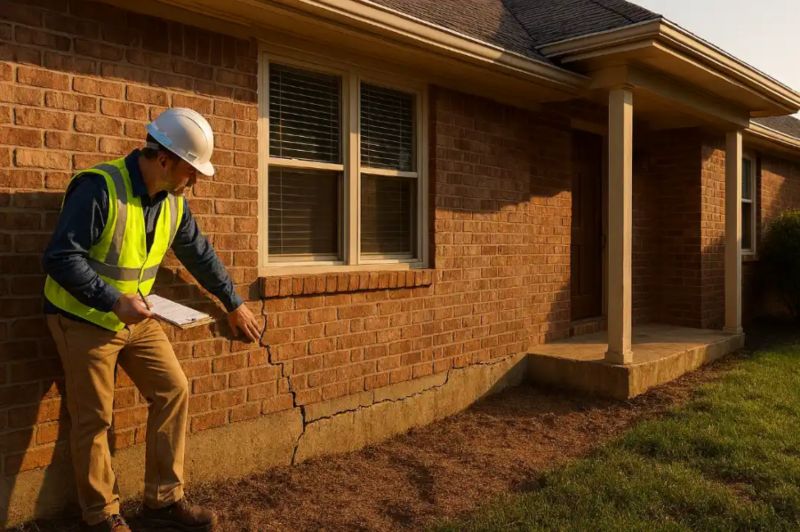
Foundation problems can produce visible changes throughout a property. Interior drywall may develop cracks near doors, windows, or ceiling corners. Exterior masonry may show stair-step cracking, while floors may feel uneven or appear to slope.
Homeowners might also notice gaps around window frames, doors that no longer close properly, or separation between trim and walls. Water entering a basement or crawl space can indicate drainage problems that deserve investigation.
These signs should be considered together rather than individually. A small, stable crack may have a different significance from a widening crack accompanied by noticeable floor movement. Photographing affected areas and recording changes over time can help a professional assess the situation.
What Causes Foundation Problems?
Several factors can affect a home’s foundation. Soil movement is one of the most common considerations because different soils respond differently to moisture and temperature changes.
Expansive clay soils can swell when they absorb water and shrink as they dry. Uneven changes in soil volume may place stress on the foundation. Poor drainage can also allow water to collect near the building, potentially contributing to soil movement or water intrusion.
Other causes include leaking plumbing, inadequate site preparation, erosion, tree-related moisture changes, and construction defects. In some properties, several factors may contribute simultaneously.
Identifying the cause is essential because a repair that addresses only the visible damage may not prevent the problem from returning.
Why a Professional Assessment Is Important
A qualified foundation specialist can inspect visible damage and evaluate factors affecting the structure. The assessment may include reviewing crack patterns, checking floor levels, examining exterior drainage, and looking for evidence of moisture intrusion.
Depending on the findings, the homeowner may need an independent structural engineer or geotechnical professional. Additional evaluation can be particularly useful when the foundation shows substantial movement or the underlying cause is unclear.
Ask for a clear explanation of the findings and the reasoning behind any proposed repair. A reliable assessment should distinguish between confirmed problems and conditions that require further investigation.
Common Home Foundation Repair Options
Repair methods depend on the type of foundation, soil conditions, structural requirements, and extent of damage.
Concrete crack repair: Certain cracks can be sealed using suitable repair materials. The method depends on the crack’s location, size, moisture conditions, and whether movement is ongoing. Sealing a crack may address water entry but does not necessarily stabilize a moving foundation.
Foundation piers: Engineered pier systems may help support sections of a building affected by settlement. Their suitability and placement should be determined using the property’s conditions and appropriate technical guidance.
Drainage improvements: Correcting grading, repairing gutters, extending downspouts, and addressing persistent water accumulation can help manage moisture around the foundation.
Crawl-space improvements: Some homes require moisture management, structural support adjustments, or repairs to damaged components within a crawl space.
The most appropriate solution is the one that addresses the diagnosed cause and the property’s specific structural needs.
Understanding Home Foundation Repair Costs
The cost of home foundation repair varies according to the repair method, property size, accessibility, soil conditions, and severity of the problem. Minor crack repairs may cost considerably less than projects involving extensive structural stabilization or excavation.
Additional expenses may arise from engineering assessments, permits, drainage work, landscaping restoration, or repairs to interior finishes. A quote that appears inexpensive may not include all the work needed to complete the project.
Homeowners should request detailed written estimates that explain the proposed work, materials, labor, exclusions, and payment schedule. Comparing several qualified providers can help reveal differences in scope and assumptions.
Preventing Future Foundation Problems
Although homeowners cannot control every soil or structural condition, regular maintenance can help reduce avoidable moisture-related problems.
Keep gutters clear and ensure downspouts direct water away from the foundation. Check that the ground slopes appropriately away from the house, where site conditions allow. Repair leaking pipes promptly and investigate recurring basement or crawl-space moisture.
Avoid making major changes to drainage or soil moisture without understanding how they may affect the building. In areas with expansive soils, maintaining consistent moisture conditions may be important, but the appropriate approach depends on local conditions and professional guidance.
Choosing the Right Repair Professional
When selecting a foundation repair company, review its experience, insurance, applicable licensing, references, and written warranty. Ask how the contractor identified the problem and why the recommended method is suitable.
A detailed proposal should explain the work, expected schedule, cleanup arrangements, and any required permits or engineering documents. Be cautious of high-pressure sales tactics or recommendations that are not supported by a clear assessment.
Homeowners should also understand warranty limitations and whether the coverage can transfer to a future owner.
Conclusion
Home foundation repair starts with recognizing warning signs and understanding what may be causing them. Professional assessment helps distinguish minor cosmetic concerns from structural issues requiring attention. Suitable repairs may involve crack sealing, support systems, drainage improvements, or other site-specific solutions. By comparing detailed estimates, maintaining drainage systems, and monitoring changes around the property, homeowners can make informed decisions and help protect the long-term stability of their homes.